Trusted by Social and Human Services Organizations Across North America to Keep Their People Safe.




Build the Toolkit Each Program Needs
Choose the Right Tools for Each Program
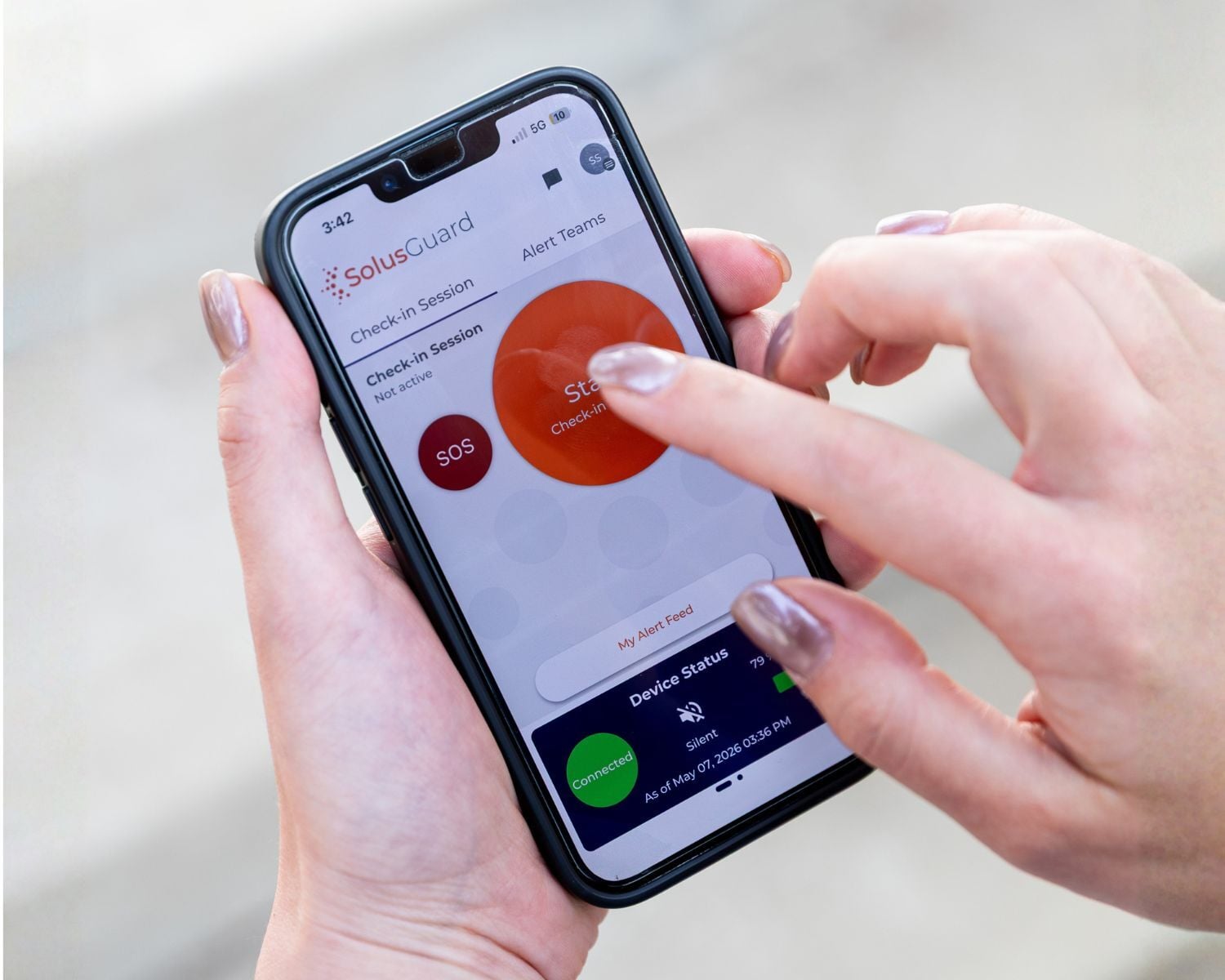
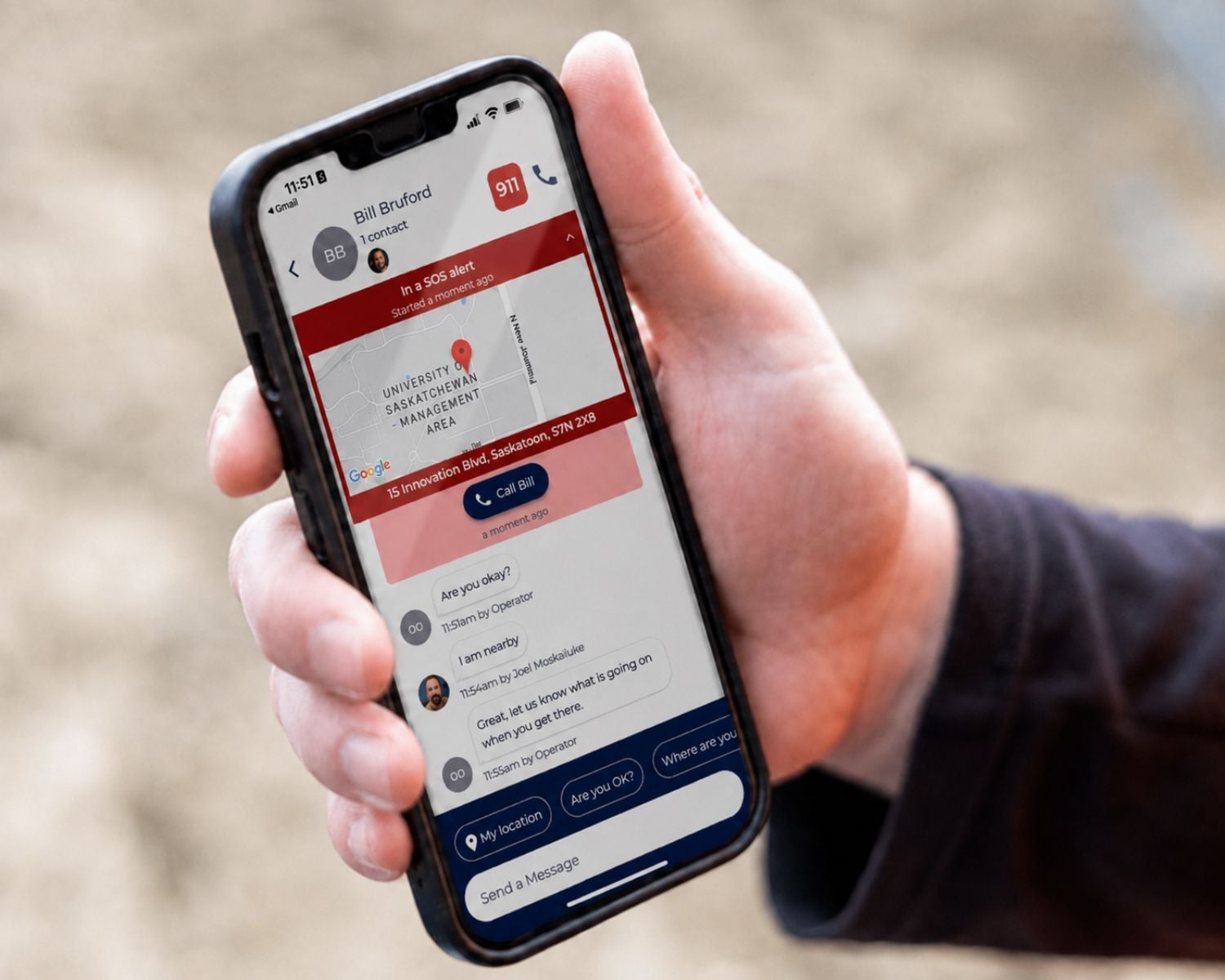
Mobile Safety App
Check-ins and an SOS on the phone your staff already carry. A case worker starts a session when they head out to a visit and ends it when they are back, and if the session lapses the alert goes out on its own.
- Scheduled check-ins for home visits, outreach shifts and client transports
- Instant SOS and duress alert from the device already in their pocket
- A missed check-in notifies the contacts that program has designated
- Automatic slip, trip and fall detection
- The Alert Feed gives everyone on the response one shared channel
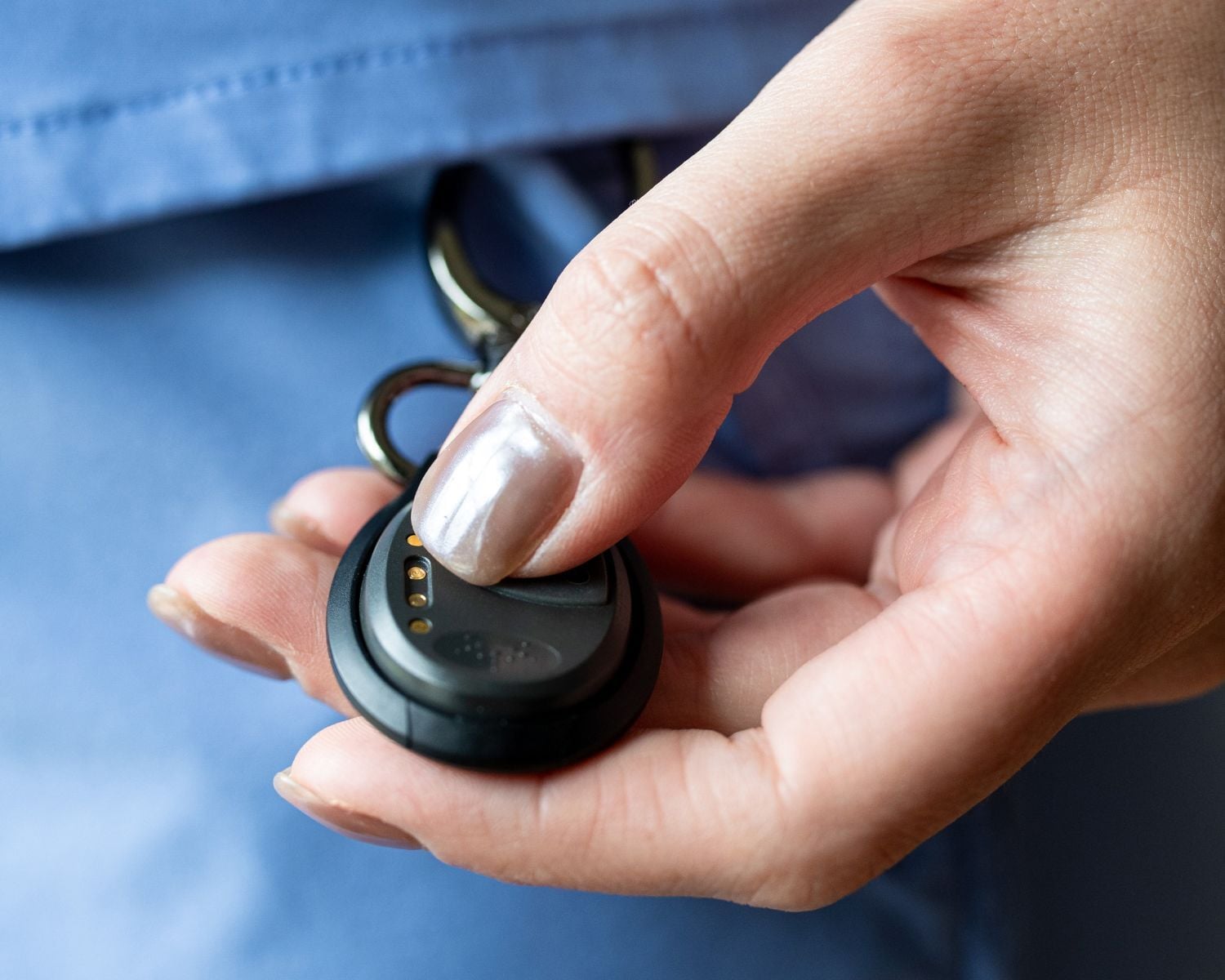
Wearable Duress Button
A small bluetooth button worn on the person. One press sends the alert with no phone to unlock and nothing for the client in the room to notice.
- One press sends an alert, with no phone to unlock
- Silent mode for signalling while a visit is still going on
- An automatic backup call can be set to reach 911 or a number you choose
- Built for the moments that escalate fastest, like a removal, a discharge or a notice served at the door
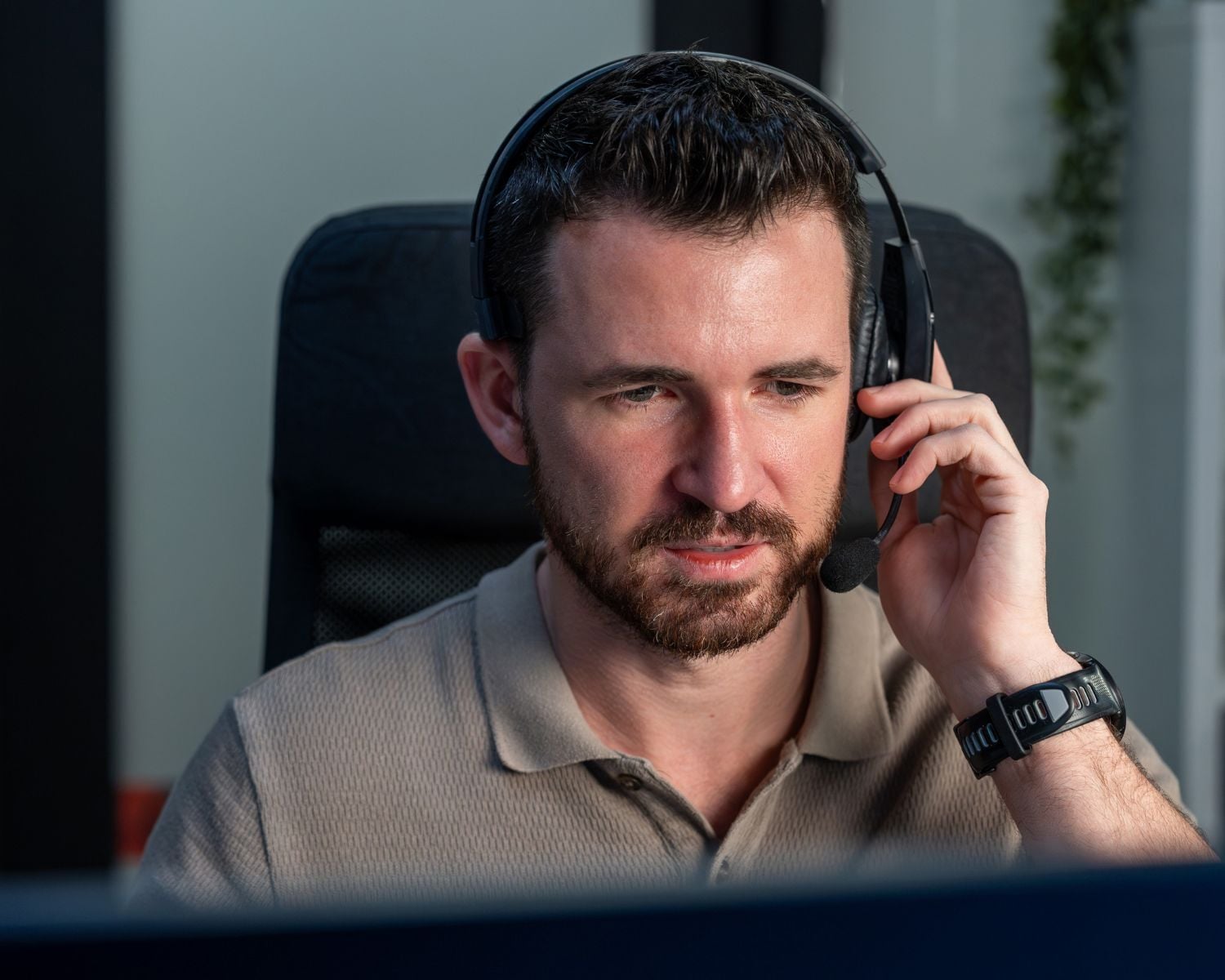
24/7 Professional Monitoring
Our agents watch for alerts around the clock and work the escalation protocol you set for that program, so an overnight shelter shift gets the same response as a Tuesday afternoon visit.
- Live agents 24/7/365, including holidays
- A separate escalation protocol for each program
- Escalates to emergency services if the case worker cannot be reached
- Covers the evenings, overnights and weekends when no supervisor is on
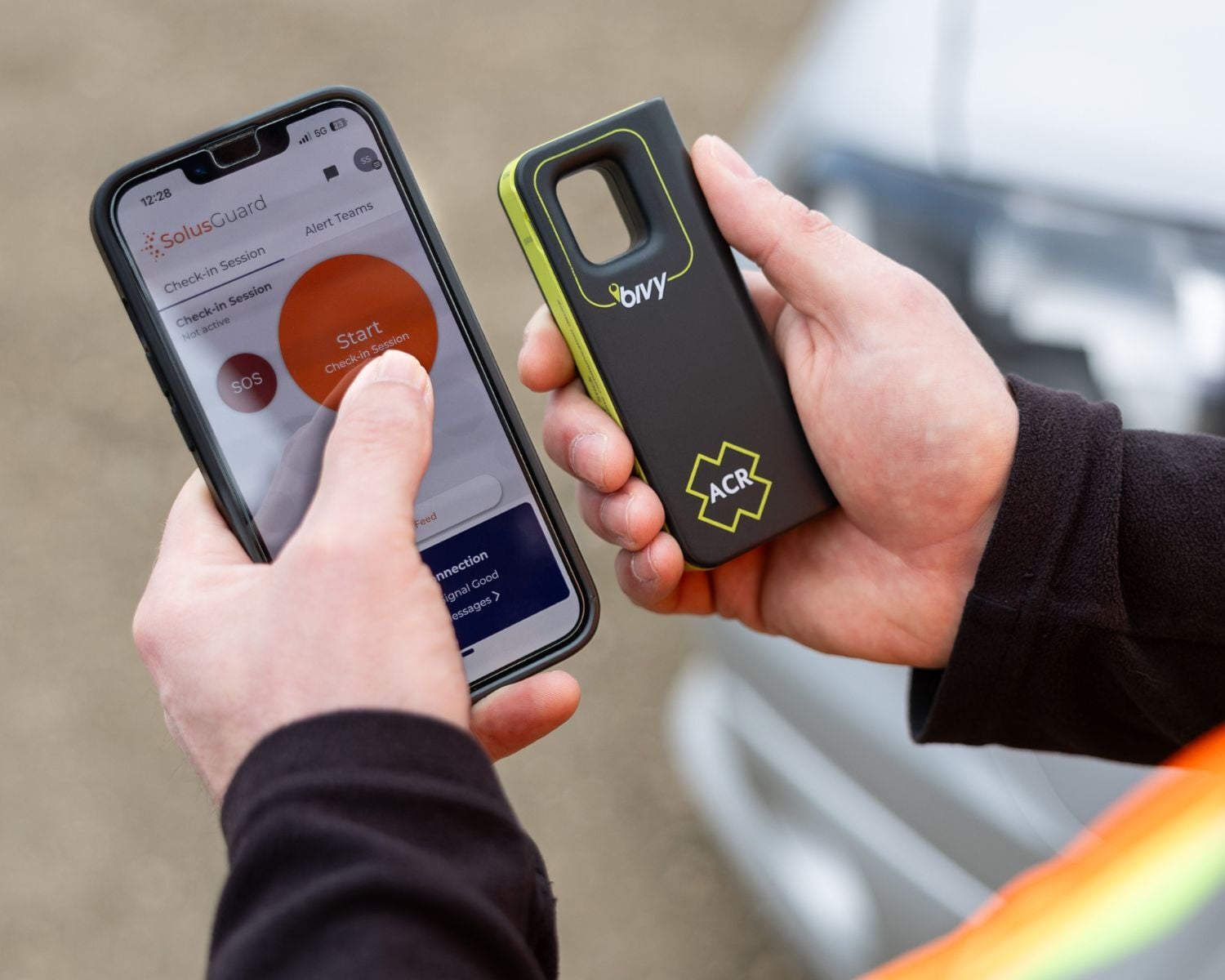
Satellite Extender
Coverage does not stop where cell service does. Case workers on rural home visits, in remote communities and out on long client drives keep checking in over satellite with no change to how they work.
- Routes check-ins and SOS alerts over the Iridium network when cellular is unavailable
- Switches between cellular and satellite automatically, with nothing for the worker to do
- GPS coordinates still transmitted with no cell signal
- Devices can be shared across a team rather than issued to every person
Mobile Monitoring
Supervisors and on-call managers take alerts on the phone already in their pocket. Everyone notified sees the same information at the same time and coordinates through one shared feed.
- Push notification the moment an alert is raised
- One shared alert feed so nobody duplicates the response
- No additional equipment and nothing new to carry
- Suits a program that wants to keep the response with people who know the client
Command Center
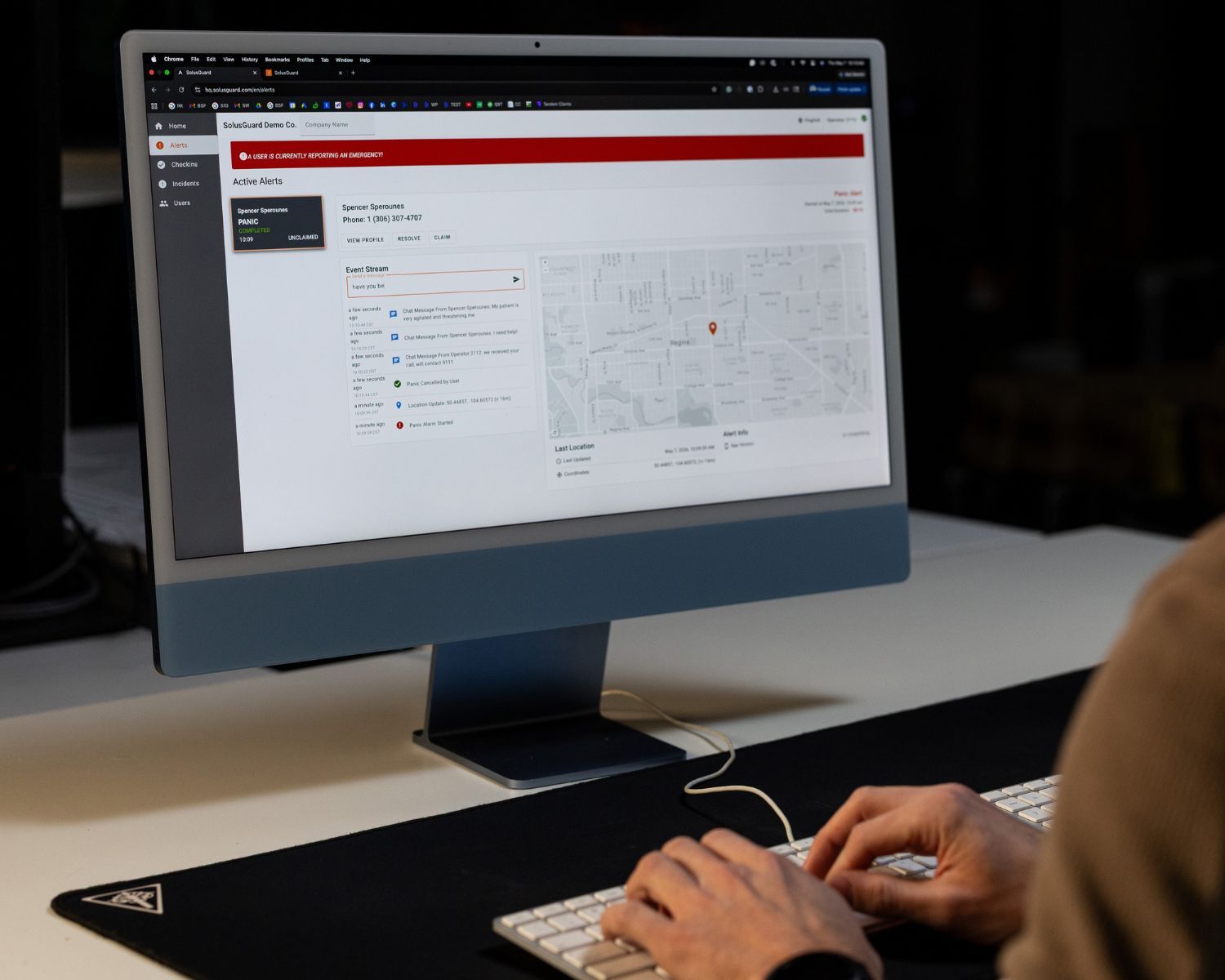
An alert console for an agency safety team covering every program at once. One live queue, with the worker's details, location and communication tools on a single screen.
- The same software our own monitoring agents work in
- One live queue across every program on the account
- Claim, escalate and hand off alerts without duplicating the response
- Every action logged automatically to the record in Aware
Aware Dashboard
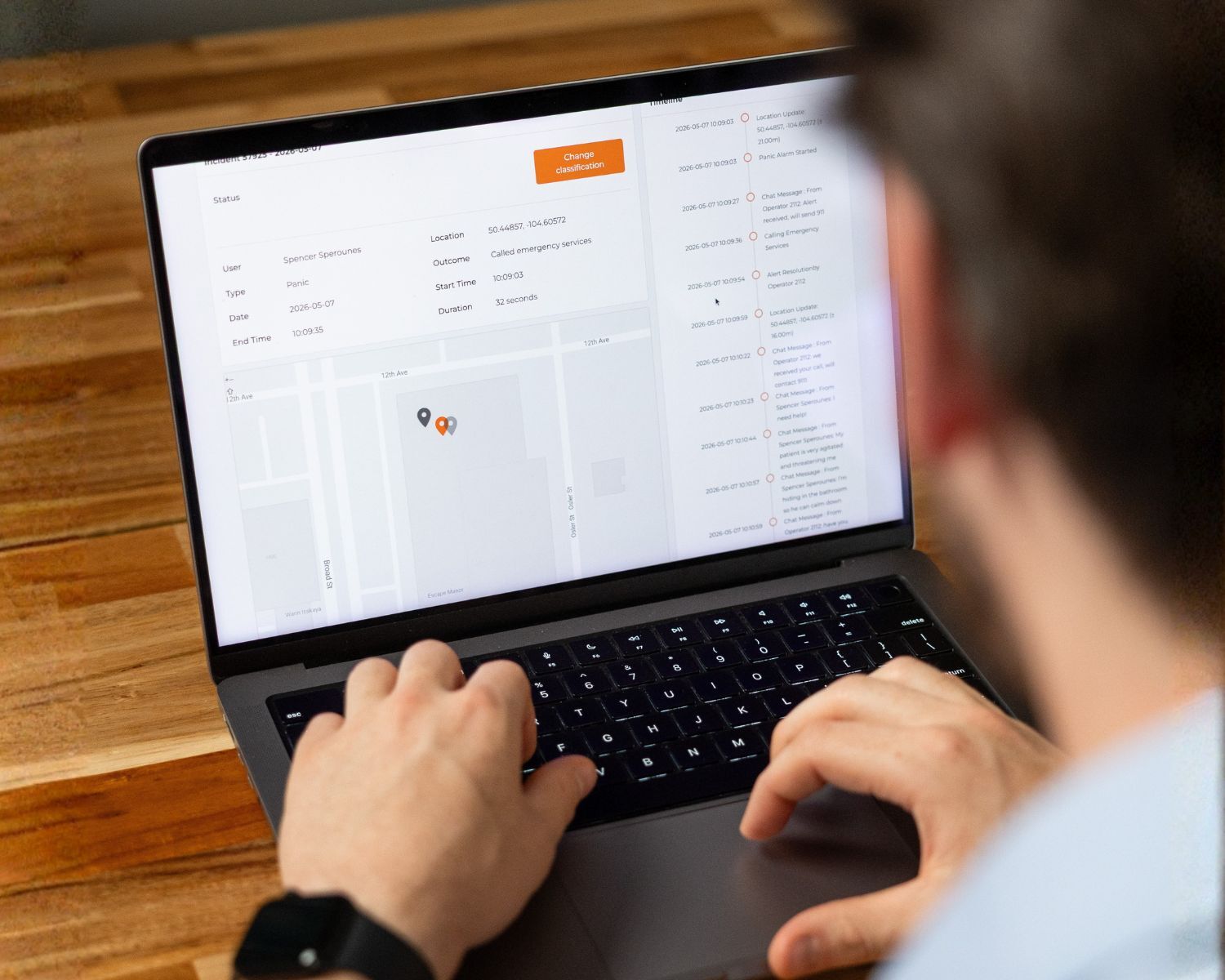
Live visibility, administration and reporting across programs. Every alert and every response is logged as it happens, so the record builds itself rather than being assembled later.
- Administration for every program from one place
- Full logs, with every alert and response recorded and timestamped
- Usage data, so you can see which programs are actually using it
- Role-based access for program supervisors and agency leadership
- Exports when a board, a funder or an investigation asks what was in place
Indoor Location
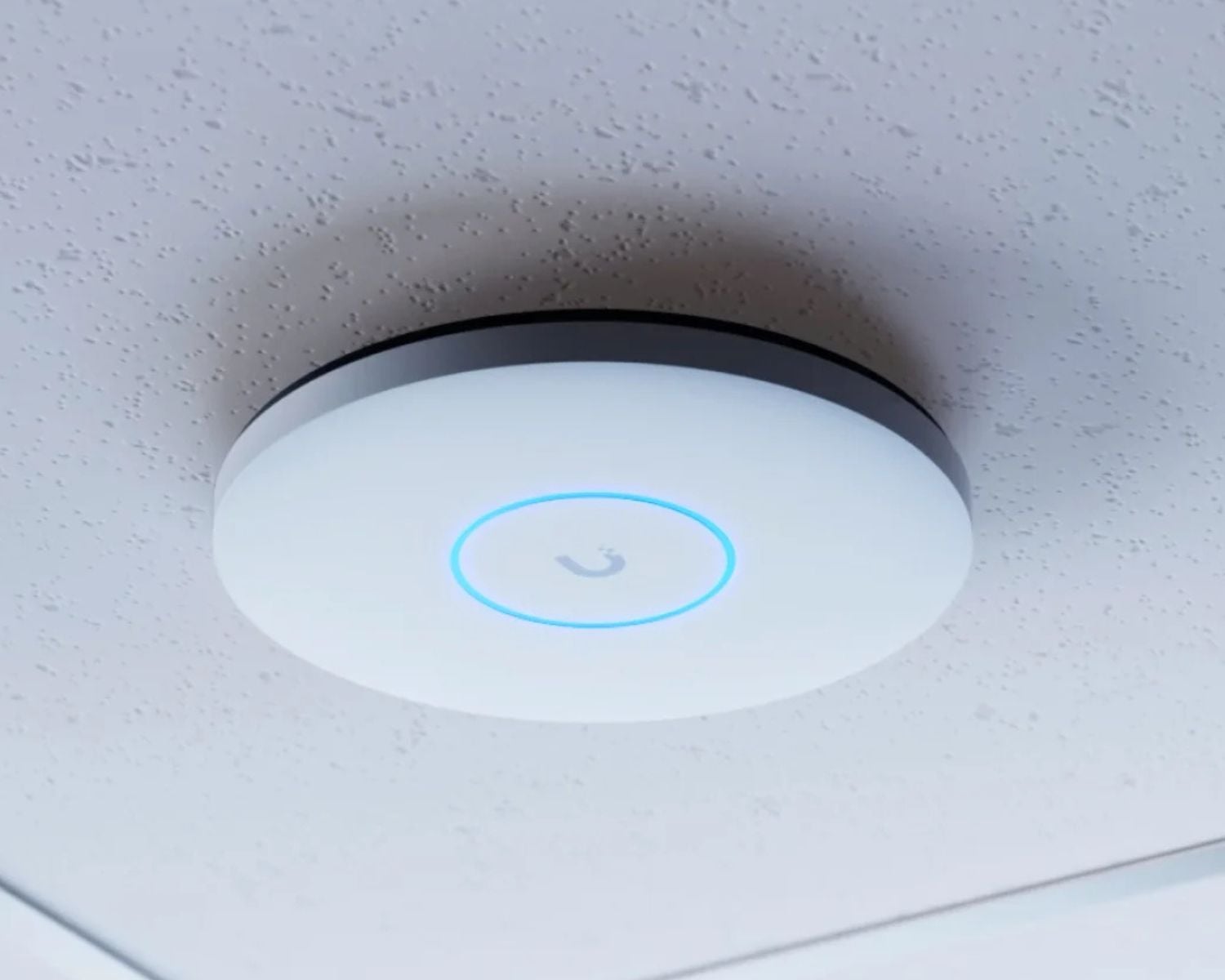
In a shelter, a drop-in centre or a group home, knowing someone pressed the button is not the same as knowing where they are. Indoor Location puts a zone on the alert, so whoever is responding goes straight there.
- Zone-level location included with every alert
- Uses the Wi-Fi already in the building, with no new hardware to install
- Works in stairwells, basements and back of house where GPS does not
- Built for shelters, drop-in centres, group homes and multi-floor offices
Benefits of SolusGuard
How We Help Social and Human Services Organizations
Your Staff Are Five Times More Exposed
According to the Bureau of Labor Statistics, social services employees are 5X more likely to suffer serious workplace violence than workers in other sectors, and those numbers are still climbing. Training and de-escalation reduce the risk, but they do not remove it. Panic buttons and check-in software keep a case worker connected on a visit, so help is one press away rather than one phone call they may not get to make.
Help Starts Moving in Seconds
In a critical situation the delay is rarely the drive. It is the time nobody knew anything was wrong. Our alert notification and monitoring system cuts that gap to nothing by notifying your supervisors the moment an alert is raised, and escalating to emergency services when the case worker cannot be reached.
Safety Is a Reason People Stay
According to NASW, 1 out of 3 workers reported that their workplace did not provide adequate protection, training or safety devices, and named it as a factor in whether they stayed. Putting panic buttons and check-in software in a case worker's hands is a visible answer to that, and in a sector competing hard for staff it is something a candidate notices at the interview.
The Record Builds Itself
Demonstrating compliance with federal or state and provincial lone worker requirements is usually the hard part, because the evidence has to be assembled after the fact. Every check-in, missed check-in, alert and response action is logged with a timestamp as it happens, so the proof a board, a funder or an auditor asks for is already there and exports directly.

Quiet Until It Matters
Carrying a dozen schedules in your head and never knowing whether everyone is alright is its own kind of workload. SolusGuard stays silent while the day goes to plan. Management hears from it only when someone is in distress or has missed a check-in, which is the one moment they actually need to know.
Implementing technology to improve staff safety
Our guide will walk you through how to evaluate different types of technology to improve lone and at risk worker safety.